Choosing the Right Sofa Back: Tight Back, Cushion Back or Loose Back?
When developing a sofa, the back design plays a bigger role than many people realise.
It influences the sofa’s silhouette, the way it supports the body, how the upholstery looks over time, and the overall feeling it brings to a living space. For furniture brands and designers, choosing the right sofa back is also an important decision when developing collections for different customer preferences and market requirements.
Three common styles stand out: the tight back, cushion back, and loose back. Each offers a different balance of aesthetics, comfort, practicality, and lifestyle appeal. Understanding these differences can help determine which back style best suits a particular design direction.

Tight Back: The Design-Conscious Choice
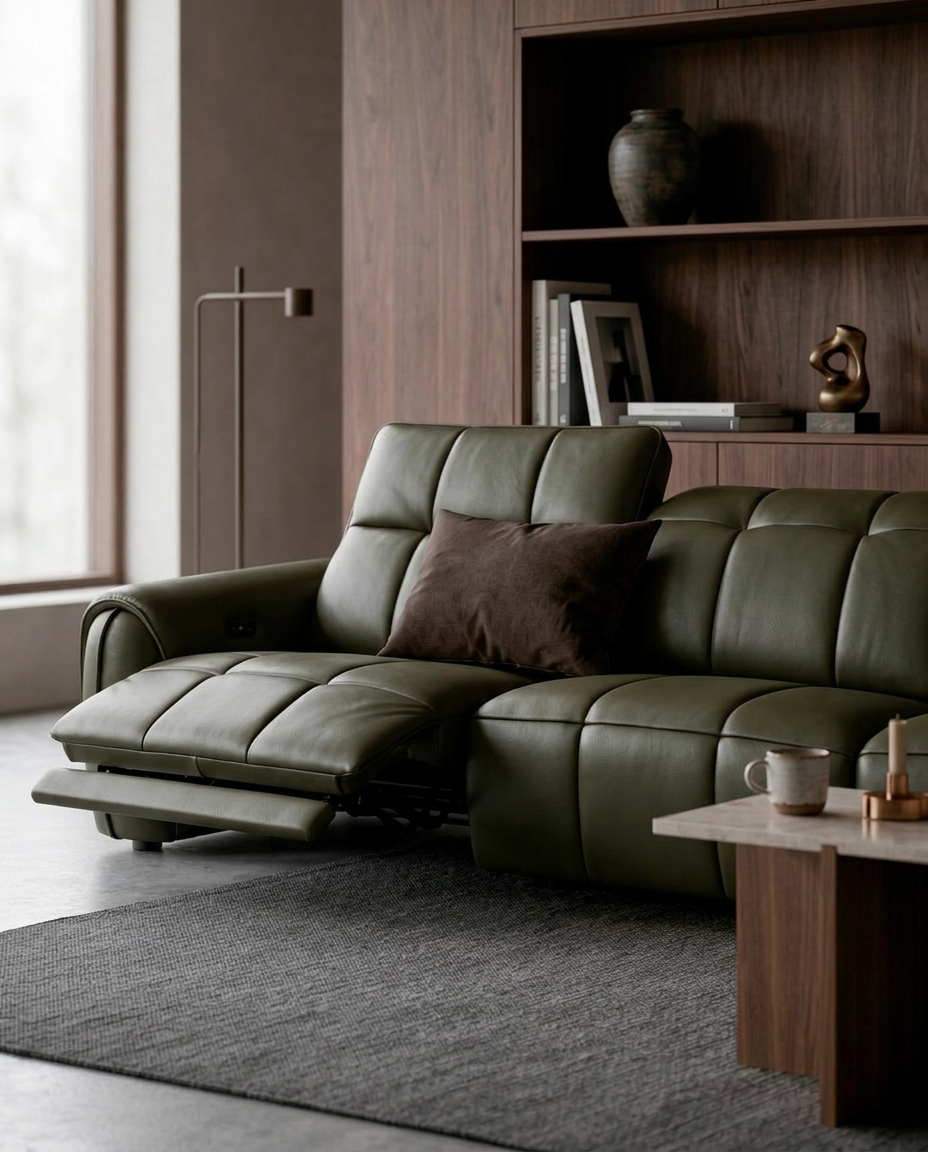
A tight-back sofa features upholstery that is fixed directly to the backrest, creating a clean, continuous surface without separate back cushions.
The result is a more structured silhouette, where the lines and proportions of the sofa remain clearly defined.
Clean Lines, Defined Form
Without separate cushions, the sofa's overall shape takes centre stage. The backrest can appear streamlined and tailored, making tight-back designs particularly suitable for contemporary, minimalist, and mid-century-inspired furniture.
This style works well when the design relies on precise proportions, sculpted contours, or distinctive upholstery detailing. It can also complement exposed wood or metal elements by keeping the upholstered form visually uncluttered.
Practical by Design
A tight back does not require loose back cushions to be rearranged or regularly repositioned. This can make the sofa easier to maintain in terms of everyday appearance, although the upholstery may still require routine care and the padding may need attention over time.
The fixed construction also helps preserve the intended silhouette, making it a useful option for collections where a consistent, tailored appearance is important.
Who Is It For?
Tight-back sofas appeal to buyers who prioritise visual simplicity, defined shapes, and a more tailored furniture aesthetic. They are particularly relevant to design-conscious collections where the sofa's form is as important as its comfort.
Design takeaway: Choose a tight back when the silhouette, structure, and clean upholstery lines are central to the design.

Cushion Back: Broader Commercial Appeal
A cushion-back sofa features separate back cushions placed against the upholstered frame. These cushions add softness and dimension while creating a familiar, versatile appearance.
Depending on the cushion size, fill, and arrangement, the style can range from neat and structured to soft and relaxed.
A Balance of Structure and Comfort
Cushion-back sofas offer a middle ground between the tailored appearance of a tight back and the more relaxed feel of a loose-back design.
The separate cushions introduce visual volume without necessarily making the sofa look overly casual. Their proportions can be adjusted to complement different frame styles, seat depths, and arm profiles.
This flexibility makes cushion backs suitable for a wide range of designs, from contemporary family sofas to more traditional upholstered collections.
Adaptable to Different Preferences
The comfort experience depends on the cushion filling, firmness, shape, and support. Some designs use firmer cushions to maintain a neat appearance, while others favour softer fills for a more relaxed sit.
Back cushions may also be removable, depending on the construction. Where they are removable, users can adjust their positioning and access the area behind them for cleaning.
For furniture brands, this range of possibilities makes cushion backs a versatile option for developing collections that need to appeal to different tastes and comfort preferences.
Who Is It For?
Cushion-back sofas have broad commercial potential because they balance visual appeal with familiar, approachable comfort. They can work across various interior styles and price segments, depending on the materials, construction, and overall design.
Design takeaway: Choose a cushion back when versatility, familiar comfort, and broad customer appeal are priorities.

Loose Back: The Lifestyle Lounger
A loose-back sofa takes a more relaxed approach to upholstery.
Rather than relying on cushions that fit neatly within a defined backrest arrangement, loose-back designs often feature generously filled, movable cushions that create a softer and more casual appearance.
The cushions may be oversized, casually arranged, or designed to create a layered look.
Softness and Relaxed Living
Loose-back sofas are often associated with laid-back interiors and everyday lounging. Their fuller cushions can create a welcoming appearance, while their flexible arrangement gives the sofa a less formal character.
This style works particularly well with deep seats, generous proportions, and soft upholstery materials. Together, these elements can create a sofa that feels suited to long conversations, reading, watching films, or simply relaxing at home.
Flexible, but With More Upkeep
One of the defining features of loose-back designs is the ability to reposition the cushions. This can allow users to adjust their arrangement according to personal preference.
However, loose cushions may require regular plumping, rotating, or repositioning to maintain their intended appearance. Their shape retention will also depend on the filling, construction, and frequency of use.
For product developers, cushion dimensions, filling specifications, and fabric selection are important considerations when balancing a relaxed look with practical performance.
Who Is It For?
Loose-back sofas suit collections that emphasise relaxed comfort, casual living, and a softer visual language. They can be particularly appealing for lifestyle-led designs where a welcoming, lived-in appearance is part of the intended character.
Design takeaway: Choose a loose back when relaxed styling, flexible cushion arrangements, and a laid-back lifestyle appeal are central to the design.

How to Choose the Right Back for Your Collection
The best sofa back is not necessarily the most fashionable one. It is the one that supports the intended design direction and meets the needs of its target market.
Consider three key questions:
1. What visual identity should the sofa communicate?
A tight back reinforces clean lines and structure. A cushion back offers a balanced appearance, while a loose back creates a softer, more relaxed impression.
2. What kind of comfort experience is intended?
The back style contributes to the sitting experience, but cushion filling, backrest angle, seat depth, and lumbar support also matter. These elements should be developed together rather than considered independently.
3. What are the practical expectations of the target market?
Different buyers may prioritise different things, from a consistently tailored appearance to adjustable cushions or a relaxed lounging experience. Understanding these preferences helps furniture brands make more informed product development decisions.

One Detail, Three Different Directions
The sofa back may appear to be a relatively small design decision, but it can influence the identity of an entire collection.
A tight back creates a more architectural and tailored expression. A cushion back provides versatility and broad commercial appeal. A loose back brings a relaxed, lifestyle-led character.
Each has a place in furniture design, and none is universally better than the others. The right choice depends on the relationship between aesthetics, comfort, construction, and intended market positioning.
At HUGO, sofa development brings together design, upholstery, materials, and manufacturing considerations to support different collection directions and market requirements.
Three back styles. Different design possibilities. One considered approach to furniture development.
Partner with HUGO to develop your next sofa collection.