
All About Tufting: Five Tufting Styles in Furniture Design
Updated: 5 minutes ago
Tufting is one of the most recognisable techniques in upholstered furniture.
From the deep diamond patterns of classic sofas to the clean lines of contemporary channel tufting, it can add texture, depth, structure, and character to a piece.
Today, tufting can be found across sofas, armchairs, dining chairs, headboards, and other upholstered furniture. But the technique has a long history that goes far beyond contemporary design.
So, where did tufting come from, and how has it evolved into the many forms we see today?
A Brief History of Tufting
The history of tufting begins with a practical problem: how to keep upholstery filling in place.
Traditional upholstered furniture uses natural materials such as horsehair, wool, and fibres for padding. These fillings could move or become uneven over time, so upholsterers developed techniques to secure the filling and maintain the shape of the furniture. One of these techniques is tufting which involves stitching through layers of padding and upholstery at specific points. This helped hold the filling in place while creating a series of raised and recessed sections.
The resulting indentations were initially functional. Eventually, with the use of modern foam and advanced upholstery materials, they became decorative.
Buttons, patterns, and carefully positioned tuft points transformed a practical construction technique into a design feature.
Over the centuries, tufted upholstery became associated with formal furniture and skilled craftsmanship. Deep button tufting and diamond patterns became particularly iconic, with the Chesterfield sofa becoming one of the best-known examples.
As furniture design evolved, so did tufting.
Modern designers began experimenting with different patterns, depths, spacing, materials, and fastening methods. Tufting was no longer limited to deep, traditional upholstery. It could be subtle, geometric, linear, or almost invisible. That evolution has given us the wide range of tufting styles used in furniture today.

Button Tufting: Traditional and Distinctive
Button tufting is one of the classic forms of tufted upholstery and an important part of tufting's history.
As the name suggests, buttons are positioned at specific points across the upholstered surface. The upholstery is pulled into the padding at these points, creating the characteristic recessed areas around each button. The buttons can be covered in the same upholstery material for a cohesive appearance or used as a contrasting detail.
Button tufting can be arranged in different patterns and depths, from a few carefully placed buttons to a densely tufted surface. It is particularly associated with traditional and heritage-inspired furniture, where the buttons become an integral part of the design.
However, modern furniture can also reinterpret button tufting through simpler patterns, shallower detailing, contemporary fabrics, and cleaner silhouettes.

Diamond Tufting: Classic and Refined
Diamond tufting is one of the most recognisable forms of patterned tufting.
As the name suggests, the technique creates a repeating diamond pattern across the upholstered surface. Strategic tuft points pull the upholstery into the padding, creating a combination of raised and recessed areas.
Buttons are traditionally used at the tuft points, although contemporary variations may use concealed fastening methods.
Diamond tufting is strongly associated with classic and heritage-inspired furniture. Deep diamond tufting on a leather sofa, for example, can create a rich and formal appearance, while a shallower treatment in fabric can feel softer and more contemporary.
The technique can also be adapted across armchairs, dining chairs, benches, and upholstered beds, allowing the same design language to carry across an entire collection.

Biscuit Tufting: Geometric and Structured
Biscuit tufting takes a more geometric approach.
Instead of creating diamonds, the upholstery is divided into individual square or rectangular padded sections. These sections are separated by recessed lines, creating a structured grid across the surface.
The size and proportion of each section can be adjusted to change the overall appearance. Larger sections can give furniture a softer, more generous appearance, while smaller sections introduce greater visual rhythm and detail.
On contemporary sofas and armchairs, biscuit tufting can create a balance between structured geometry and soft upholstery. On dining chairs, it can add texture and dimension without making the design feel overly decorative.
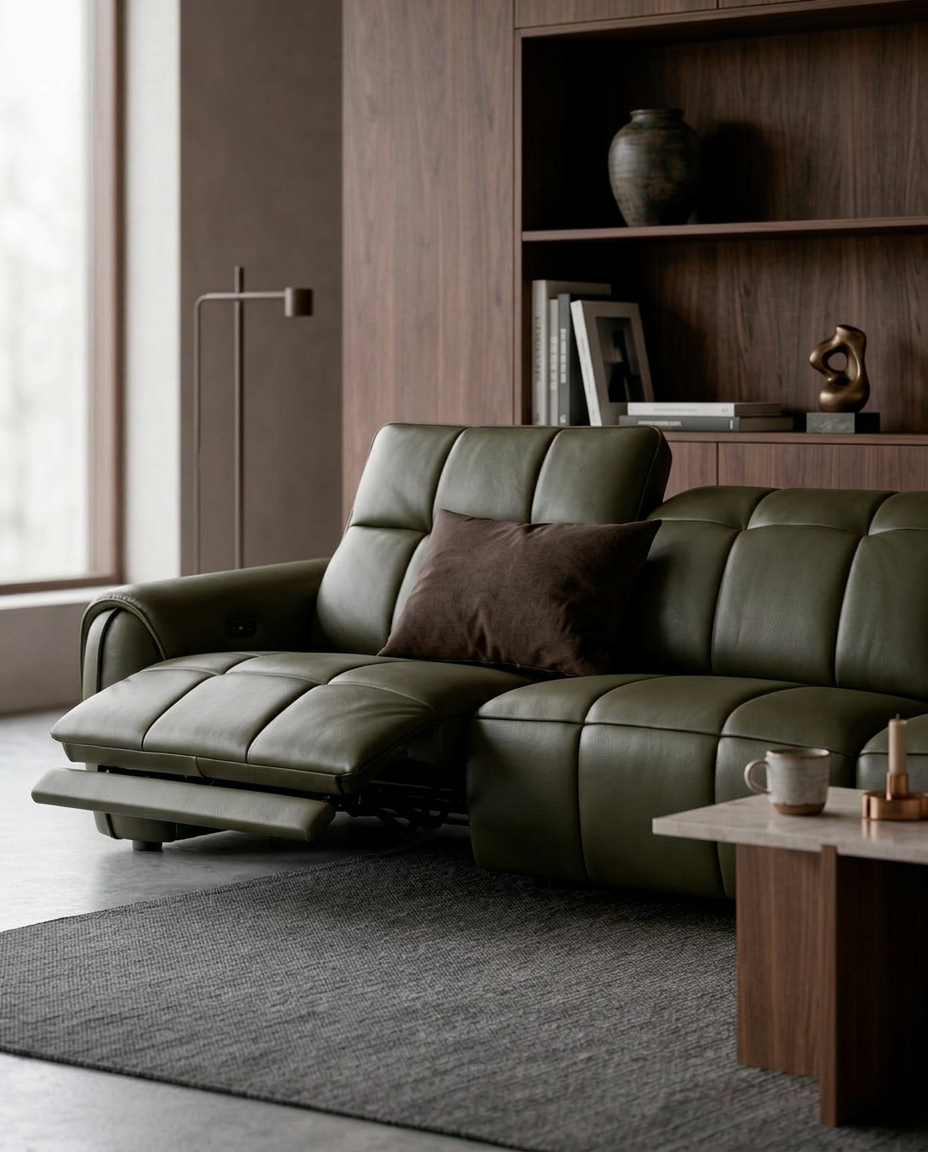
Channel Tufting: Linear and Architectural
Channel tufting is defined by long, continuous channels running across an upholstered surface.
Unlike diamond and biscuit tufting, which create individual sections, channel tufting produces a strong linear rhythm.
The direction of the channels can influence the way furniture is perceived. Vertical channels can emphasise height, while horizontal channels can reinforce a sense of width.
The depth and width of the channels can also dramatically change the look. Deep, wide channels can create a bold and sculptural effect, while narrow channels can feel more refined and understated.
Channel tufting is particularly popular in contemporary furniture, where its clean lines can complement modern silhouettes. It can be used across sofa backrests, armchairs, dining chair backs, and other upholstered surfaces.

Blind Tufting: Minimal and Subtle
Blind tufting takes a quieter approach.
Instead of using visible buttons at the tuft points, the fastening is concealed. This allows the upholstery to form subtle recessed areas while maintaining a clean exterior. The result is less decorative and more understated.
Blind tufting is particularly suited to contemporary furniture where texture and depth are desired without introducing an obvious pattern. It can give a sofa or armchair a more refined surface treatment, or add a subtle detail to a dining chair without competing with its overall silhouette.
Rather than immediately drawing attention to the tufting itself, blind tufting allows the material, form, and proportions of the furniture to remain the focus.

Tufting and Material Selection
The relationship between tufting and upholstery material is particularly important.
Leather, velvet, textured fabric, and other upholstery materials can each respond differently to the same tufting technique.
A rich leather can emphasise the depth and shadows created by diamond tufting. A soft fabric can create a more relaxed interpretation of biscuit tufting. Velvet can accentuate the light and shadow across channel tufting, while a textured woven fabric can give blind tufting a subtle tactile quality.
Material selection therefore becomes part of the design decision rather than simply a finishing choice. The same tufting pattern can take on an entirely different personality when paired with a different material.

Tufting as a Design Language
For furniture brands and designers, tufting can be more than an individual product detail. It can become part of a collection's design language.
A particular channel pattern might be carried across a sofa and armchair, then adapted into a dining chair. A diamond or button detail might establish the identity of a classic-inspired collection. Or a subtle blind tuft could become a recurring feature across a contemporary range.
The technique can be consistent while the furniture silhouettes change, creating a sense of connection across the collection. This makes tufting a useful design tool for developing furniture that feels distinctive while remaining cohesive.

From Traditional Craft to Modern Manufacturing
Tufting has come a long way from its origins in securing traditional upholstery fillings. What was once primarily a practical technique has become an important part of furniture design, combining craftsmanship with visual expression.
Modern manufacturing has also expanded what is possible. Different upholstery materials, construction methods, machinery, and production techniques allow tufting to be adapted to contemporary furniture while maintaining the attention to detail associated with traditional upholstery.
At HUGO, upholstery detailing is part of a broader furniture development process. Materials, construction, proportions, silhouettes, and finishing details are considered together to develop furniture collections for different design directions and market requirements.
From the distinctive character of button tufting to the understated appeal of blind tufting, the right upholstery detail can give a piece its own identity.
More than a finishing detail, tufting is a design language.
Develop your next furniture collection with HUGO.


